Un vuelo trasatlántico entregó cuatro satélites Galileo a la Guayana francesa el martes, en preparación para el lanzamiento compartido de este mes de noviembre por Ariane 5 - la primera constelación de navegación por satélite europeo..................

Galileo quartet landing
Fantastic four: November’s Galileos reach Europe’s Spaceport
9 September 2016 A transatlantic flight delivered four Galileo satellites to French Guiana on Tuesday, in preparation for a shared launch this November by Ariane 5 – the first for Europe’s satnav constellation.
The satellites’ odyssey began the previous day, when they left ESA’s technical centre in Noordwijk, the Netherlands, where every Galileo satellite is tested.
Each satellite was placed into protective containers before leaving the cleanroom environment of the test facility. These containers incorporate sophisticated environmental control, satellite monitoring systems and shock absorbers.
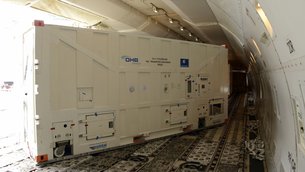
Galileo container unloaded
They were then driven by separate lorries to Luxembourg Findel Airport. On Tuesday morning they were flown by 747 aircraft to Cayenne–Félix Eboué Airport in French Guiana, touching down around 10:30 local time.
They were taken to the S1A payload preparation building of the Guiana Space Centre, to be unboxed the following day.
The building will remain their home as their launch campaign begins. The first activity is a ‘fit check’ with the dispenser that will release them into orbit from the rocket’s upper stage.
The modified Ariane 5 that will carry the four Galileos into orbit arrived in French Guiana a fortnight ago.
In development since 2012, this new variant has evolved from the Ariane 5 used to place ESA’s 20 tonne supply ferry for the International Space Station into low orbit.
This new version will carry a lighter payload – four fully fuelled 738 kg Galileo satellites plus their dispenser – but must take it up to the much higher altitude of 23 222 km.

Satellites leaving ESTEC
November’s launch is a major step up for Galileo. The 14 Galileo satellites already in orbit have been launched two at a time, by Soyuz from French Guiana.
Having 18 satellites in orbit should enable initial Galileo operational services to begin, a decision that will be taken by the European Commission, the system’s owner.
Two more Galileo launches by Ariane 5 are due in the next two years.
About Galileo

Galileos on the road
Galileo is Europe’s civil global satellite navigation system. It will allow users worldwide to know their exact position in time and space with great precision and reliability. Once complete, the system will consist of 24 operational satellites and the ground infrastructure for the provision of positioning, navigation and timing services.
The Galileo programme is funded and owned by the EU. The European Commission has the overall responsibility for the programme, managing and overseeing the implementation of all programme activities.
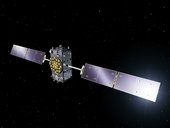
Galileo
Galileo’s deployment, the design and development of the new generation of systems and the technical development of infrastructure are entrusted to ESA. The definition, development and in-orbit validation phases were carried out by ESA, and co-funded by ESA and the European Commission.
The European Global Navigation Satellite System Agency (GSA) is ensuring the uptake and security of Galileo. Galileo operations and provision of services will be entrusted to the GSA from 2017.
VERSIÓN EN ESPAÑOL :
Spain
http://www.esa.int/esl/ESA_in_your_country/Spain/Los_cuatro_fantasticos_el_Puerto_Espacial_Europeo_recibe_a_los_nuevos_satelites_Galileo
A continuación, se dirigieron en camiones independientes hasta el aeropuerto luxemburgués de Findel, desde donde volaron el martes por la mañana a bordo de un 747 con destino al aeropuerto Félix Eboué de Cayenne, en la Guayana Francesa, aterrizando sobre las 10:30 hora local.
Desde allí se trasladaron al edificio de preparación de carga útil S1A del Centro Espacial de la Guayana, donde fueron desembalados al día siguiente.
El edificio acogerá los cuatro satélites hasta que se inicie su campaña de lanzamiento. Lo primero será comprobar su estado con el dispensador que los pondrá en órbita desde la etapa superior del cohete.
El lanzamiento de noviembre será un hito clave para el programa Galileo. Los 14 satélites ya en órbita fueron lanzados de dos en dos a bordo de cohetes Soyuz desde la Guayana Francesa.
La presencia de 18 satélites en órbita permitiría dar comienzo a los servicios iniciales de Galileo, pero la decisión depende de la Comisión Europea, propietaria del sistema.
En los próximos dos años se llevarán a cabo otros dos lanzamientos mediante cohetes Ariane 5 dentro del programa Galileo.
Galileo es el sistema global de navegación por satélite de carácter civil de la Unión Europea. Permite a usuarios de todo el mundo conocer su posición en el tiempo y en el espacio con gran precisión y fiabilidad. Una vez completado, el sistema estará formado por 24 satélites operativos y una infraestructura de tierra para la provisión de servicios de posicionamiento, navegación y determinación de la hora.
Galileo es financiado por la UE, que es la propietaria del programa. Su responsable es la Comisión Europea, que gestiona y supervisa la implementación de todas sus actividades.
La Comisión ha encargado a la ESA el diseño, el desarrollo y la implantación de la nueva generación de sistemas, así como el desarrollo técnico de las infraestructuras. La ESA ha llevado a cabo las fases de definición, desarrollo y validación en órbita, financiadas conjuntamente por la ESA y la Comisión Europea.
La Autoridad Europea de Supervisión del sistema global de navegación por satélite (GSA) garantiza el uso y la seguridad de Galileo. A partir de 2017, la GSA se encargará de todas las operaciones de Galileo y de la provisión de servicios.
VERSIÓN EN ESPAÑOL :
Spain
http://www.esa.int/esl/ESA_in_your_country/Spain/Los_cuatro_fantasticos_el_Puerto_Espacial_Europeo_recibe_a_los_nuevos_satelites_Galileo
Los cuatro Galileo a punto de aterrizar
Los cuatro fantásticos: el Puerto Espacial Europeo recibe a los nuevos satélites Galileo
9 septiembre 2016 El martes pasado, cuatro satélites Galileo llegaron a la Guayana Francesa en un vuelo trasatlántico, dentro de los preparativos para su lanzamiento conjunto el próximo noviembre a bordo de un Ariane 5. Será la primera vez que se ponen en órbita cuatro satélites de esta constelación al mismo tiempo.
Su odisea comenzó el día antes, cuando salieron del centro tecnológico de la ESA en Noordwijk, Países Bajos, donde se prueban todos los satélites.
Cada satélite se introdujo en un contenedor de protección antes de abandonar el entorno de sala limpia de las instalaciones de ensayo. Estos contenedores incorporan un sofisticado sistema de control ambiental, así como sistemas de monitorización y amortiguadores.
Su odisea comenzó el día antes, cuando salieron del centro tecnológico de la ESA en Noordwijk, Países Bajos, donde se prueban todos los satélites.
Cada satélite se introdujo en un contenedor de protección antes de abandonar el entorno de sala limpia de las instalaciones de ensayo. Estos contenedores incorporan un sofisticado sistema de control ambiental, así como sistemas de monitorización y amortiguadores.
Un contenedor antes de su descarga
A continuación, se dirigieron en camiones independientes hasta el aeropuerto luxemburgués de Findel, desde donde volaron el martes por la mañana a bordo de un 747 con destino al aeropuerto Félix Eboué de Cayenne, en la Guayana Francesa, aterrizando sobre las 10:30 hora local.
Desde allí se trasladaron al edificio de preparación de carga útil S1A del Centro Espacial de la Guayana, donde fueron desembalados al día siguiente.
El edificio acogerá los cuatro satélites hasta que se inicie su campaña de lanzamiento. Lo primero será comprobar su estado con el dispensador que los pondrá en órbita desde la etapa superior del cohete.
Este cohete, un Ariane 5 modificado, llegó a la Guayana Francesa dos semanas antes. En desarrollo desde 2012, se trata de una versión modificada del Ariane 5 utilizado para situar en órbita baja las 20 toneladas de la nave de suministro de la Estación Espacial Internacional.
Esta nueva versión transportará una carga útil menor —cuatro satélites Galileo de 738 kg llenos de combustible, además del dispensador correspondiente— pero tendrá que alcanzar una altitud mucho mayor, de 23.222 km.
Esta nueva versión transportará una carga útil menor —cuatro satélites Galileo de 738 kg llenos de combustible, además del dispensador correspondiente— pero tendrá que alcanzar una altitud mucho mayor, de 23.222 km.
Los satélites salen de ESTEC
El lanzamiento de noviembre será un hito clave para el programa Galileo. Los 14 satélites ya en órbita fueron lanzados de dos en dos a bordo de cohetes Soyuz desde la Guayana Francesa.
La presencia de 18 satélites en órbita permitiría dar comienzo a los servicios iniciales de Galileo, pero la decisión depende de la Comisión Europea, propietaria del sistema.
En los próximos dos años se llevarán a cabo otros dos lanzamientos mediante cohetes Ariane 5 dentro del programa Galileo.
Los satélites en camino
Galileo es el sistema global de navegación por satélite de carácter civil de la Unión Europea. Permite a usuarios de todo el mundo conocer su posición en el tiempo y en el espacio con gran precisión y fiabilidad. Una vez completado, el sistema estará formado por 24 satélites operativos y una infraestructura de tierra para la provisión de servicios de posicionamiento, navegación y determinación de la hora.
Galileo es financiado por la UE, que es la propietaria del programa. Su responsable es la Comisión Europea, que gestiona y supervisa la implementación de todas sus actividades.
Galileo
La Comisión ha encargado a la ESA el diseño, el desarrollo y la implantación de la nueva generación de sistemas, así como el desarrollo técnico de las infraestructuras. La ESA ha llevado a cabo las fases de definición, desarrollo y validación en órbita, financiadas conjuntamente por la ESA y la Comisión Europea.
La Autoridad Europea de Supervisión del sistema global de navegación por satélite (GSA) garantiza el uso y la seguridad de Galileo. A partir de 2017, la GSA se encargará de todas las operaciones de Galileo y de la provisión de servicios.
Guillermo Gonzalo Sánchez Achutegui
ayabaca@gmail.com
ayabaca@hotmail.com
ayabaca@yahoo.com
Inscríbete en el Foro del blog y participa : A Vuelo De Un Quinde - El Foro!


