Mostrando entradas con la etiqueta Bacteria. Mostrar todas las entradas

sábado, 1 de octubre de 2016

the National Science Foundation (NSF) : Discovery Changing salt marsh conditions send resident microbes into dormancy.- Condiciones cambiantes en el pantano de sal, envían microbios residentes en lactancia..............

https://www.nsf.gov/discoveries/disc_summ.jsp?cntn_id=189412&WT.mc_id=USNSF_57&WT.mc_ev=click
Over time, nutrients such as nitrogen affect important marsh bacteria
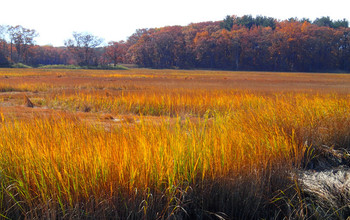
Sunset over a salt marsh at Plum Island, Massachusetts, as autumn arrives.

Sunset over a salt marsh at Plum Island, Massachusetts, as autumn arrives.
Credit and Larger Version

September 26, 2016
The following is part 22 in a series on the National Science Foundation's Long-Term Ecological Research (LTER) Network. Visit parts one, two, three, four, five, six, seven, eight, nine, 10, 11, 12, 13, 14, 15, 16,17, 18, 19, 20 and 21.
Could the future of a salt marsh be hidden in the health of its microbes? Scientists say yes.
Salt marshes play key roles in reducing the effects of urbanization and climate change. Marshes absorb carbon dioxide from the atmosphere, and their microbes break down carbon.
That's why researchers are working to find out how these vital ecosystems tick.
Jennifer Bowen of Northeastern University and colleagues have studied microbes in the sediments of salt marshes in the National Science Foundation (NSF) Plum Island Ecosystems Long-Term Ecological Research (LTER) site in northeastern Massachusetts.
They're working to discover how the marsh -- and the microbes in it -- change over time when outside influences, such as nitrogen, are introduced to the ecosystem.
"A lot of the ecological services salt marshes provide are facilitated by microbes," Bowen said. "They're involved in the carbon cycle and the nitrogen cycle, and they remove nutrient pollution through their metabolic processes."

Dormant microbes

In a new paper published in the journal Nature Communications, Bowen and her Northeastern colleague Patrick Kearns, who is first author of the paper, along with researchers at the Marine Biological Laboratory and Woods Hole Oceanographic Institution, set out to discover what would happen to microbes in salt marshes if specific nutrients were added to the environment -- through urbanization and climate change, for example.
Adding nutrients like nitrogen produced no change in the types of bacteria present in the salt marsh -- at least, temporarily. But over time, a large number of the microbes became dormant.
"It's kind of like a bear going into hibernation," Bowen said. "These dormant bacteria are in a low metabolic state. They just bide their time until environmental conditions return that are suitable for them."
When the microbes go dormant, they don't contribute to the critical ecosystem services that make salt marshes important.

Human-salt marsh interactions

"This study shows that human activities are affecting bacteria essential to salt marshes in ways we never suspected," said Matt Kane, program director in the NSF Division of Environmental Biology, which co-funded the research with NSF's Division of Ocean Sciences. "Coastal salt marshes provide many benefits -- supporting diverse wildlife, helping to reduce pollution, and protecting us from flooding."
What happens to salt marshes and their bacteria, Kane explained, ripples into human lives.
The study's results help explain why salt marshes contain so much microbial diversity. One group of microbes is specialized for a specific set of conditions, while another is linked with others. As the environment changes, different bacteria take advantage of the conditions that are most suitable to them.
"These investigators have made an important discovery about the resilience of microbial communities in salt marsh ecosystems," said David Garrison, program officer in NSF's Ocean Sciences Division.
A salt marsh, the researchers say, is a constant balancing act.
"If we see an increase in the abundance of bacteria that are able to decompose the marsh, we also see an increase in bacteria that can help fix carbon," Bowen said. "If a marsh is failing, there is no way to restore the microbes. But what can be created is an environment that will help these microbes thrive."
To save the marshes, she said, save their microbes.
-- Cheryl Dybas, NSF (703) 292-7734
  cdybas@nsf.gov
-- Lori Lennon, Northeastern University (617) 373-7686
  l.lennon@northeastern.edu


Investigators Jennifer Bowen
Related Institutions/Organizations University of Massachusetts Boston
Related Awards #1353140 Collaborative Research: Ecosystem Evolution and Sustainability of Nutrient Enriched Coastal Saltmarshes
Total Grants $220,177
Related WebsitesNSF Plum Island Ecosystems LTER Site:
https://lternet.edu/sites/pie
NSF Long-Term Ecological Research discovery articles series: https://www.nsf.gov/discoveries/disc_summ.jsp?cntn_id=138170
The Plum Island marsh expanse in summer at low tide.
Credit and Larger Version
Researcher Patrick Kearns fills tubes of mud to look at microbes' responses to nutrients.
Credit and Larger Version
Low tide in the marsh, with
Low tide in the marsh, with "Frank the Tank," a nutrient delivery system, in the background.
Credit and Larger Version
Patrick Kearns samples salt marsh sediments from West Creek on Plum Island.
Credit and Larger Version
Researchers take a break from field sampling in Plum Island's salt marshes.
Credit and Larger Versión

the National Science Foundation (NSF)
Guillermo Gonzalo Sánchez Achutegui
ayabaca@gmail.com
ayabaca@hotmail.com
ayabaca@yahoo.com
Inscríbete en el Foro del blog y participa : A Vuelo De Un Quinde - El Foro!

miércoles, 4 de mayo de 2016

NSF: Researchers find that Earth may be home to 1 trillion species .- Los investigadores han descubierto que la Tierra puede ser el hogar de 1 billón de especies

Hola amigos: A VUELO DE UN QUINDE EL BLOG., Tierra podría contener cerca de 1 billón de especies, con sólo una milésima parte de un 1 por ciento ahora identificada, según los resultados de un nuevo estudio.
La estimación, basada en leyes de escala universales aplicadas a grandes conjuntos de datos, aparece hoy en las revista Proceedings de la Academia Nacional de Ciencias. Los autores del informe son Jay Lennon y Kenneth Locey de la Universidad de Indiana en Bloomington, Indiana.
Los científicos combinaron microbianas, vegetales y animales conjuntos de datos procedentes de fuentes científicas gubernamental, académico y ciudadano, lo que resulta en la mayor recopilación de este tipo.
En conjunto, estos datos representan más de 5,6 millones de especies microscópicas y no microscópicas de 35.000 localidades a través de todos los océanos y los continentes del mundo, excepto en la Antártida.
More information....
 
Largest analysis of microbial data reveals that 99.999 percent of all species remain undiscovered

Grand Prismatic Spring in Yellowstone
Grand Prismatic Spring in Yellowstone; such hot pools often bubble with undiscovered microbes.
Credit and Larger Version
May 2, 2016
Earth could contain nearly 1 trillion species, with only one-thousandth of 1 percent now identified, according to the results of a new study.
The estimate, based on universal scaling laws applied to large datasets, appears today in the journal Proceedings of the National Academy of Sciences. The report's authors are Jay Lennon and Kenneth Locey of Indiana University in Bloomington, Indiana.
The scientists combined microbial, plant and animal datasets from government, academic and citizen science sources, resulting in the largest compilation of its kind.
Altogether, these data represent more than 5.6 million microscopic and non-microscopic species from 35,000 locations across all the world's oceans and continents, except Antarctica.
 
Great challenge in biology
 
"Estimating the number of species on Earth is among the great challenges in biology," Lennon said. "Our study combines the largest available datasets with ecological models and new ecological rules for how biodiversity relates to abundance. This gave us a new and rigorous estimate for the number of microbial species on Earth."
He added that "until recently, we've lacked the tools to truly estimate the number of microbial species in the natural environment. The advent of new genetic sequencing technology provides a large pool of new information."
The work is funded by the National Science Foundation (NSF) Dimensions of Biodiversity program, an effort to transform our understanding of the scope of life on Earth by filling major gaps in knowledge of the planet's biodiversity.
"This research offers a view of the extensive diversity of microbes on Earth," said Simon Malcomber, director of the Dimensions of Biodiversity program. "It also highlights how much of that diversity still remains to be discovered and described."
 
Estimating numbers of microbial species
 
Microbial species are forms of life too small to be seen with the naked eye, including single-celled organisms such as bacteria and archaea, as well as certain fungi.
Many earlier attempts to estimate the number of species on Earth ignored microorganisms or were informed by older datasets based on biased techniques or questionable extrapolations, Lennon said.
"Older estimates were based on efforts that dramatically under-sampled the diversity of microorganisms," he added. "Before high-throughput genetic sequencing, scientists characterized diversity based on 100 individuals, when we know that a gram of soil contains up to a billion organisms, and the total number on Earth is more than 20 orders of magnitude greater."
The realization that microorganisms were significantly under-sampled caused an explosion in new microbial sampling efforts over the past several years.
 
Extensive sampling efforts
 
The study's inventory of data sources includes 20,376 sampling efforts on bacteria, archaea and microscopic fungi, as well as 14,862 sampling efforts on communities of trees, birds and mammals.
"A massive amount of data has been collected from these surveys," said Locey. "Yet few have tried to pull together all the data to test big questions."
He added that the scientists "suspected that aspects of biodiversity, like the number of species on Earth, would scale with the abundance of individual organisms. After analyzing a massive amount of data, we observed simple but powerful trends in how biodiversity changes across scales of abundance."
 
Scaling laws for all species
 
The researchers found that the abundance of the most dominant species scales with the total number of individuals across 30 orders of magnitude, "making it the most expansive scaling law in biology," says Lennon.
Scaling laws, like that discovered by the scientists, are known to accurately predict species numbers for plant and animal communities. For example, the number of species scales with the area of a landscape.
"Until now, we haven't known whether aspects of biodiversity scale with something as simple as the abundance of organisms," Locey said. "As it turns out, the relationships are not only simple but powerful, resulting in our estimate of upward of one trillion species."
The study's results also suggest that identifying every microbial species on Earth presents a huge challenge.
"Of those species cataloged, only about 10,000 have ever been grown in a lab, and fewer than 100,000 have classified genetic sequences," Lennon said. "Our results show that this leaves 100,000 times more microorganisms awaiting discovery -- and 100 million to be fully explored.
"Microbial biodiversity, it appears, is greater than we ever imagined."
-NSF-

Media Contacts Cheryl Dybas, NSF, (703) 292-7734,
 cdybas@nsf.gov
Kevin Fryling, Indiana University, (812) 856-2988,
 kfryling@iu.edu

Related WebsitesLife on Earth: National Science Foundation awards $23 million for studies of planet's biodiversity: https://www.nsf.gov/news/news_summ.jsp?cntn_id=136222
New insights into coral health hidden in reefs' microbiomes: http://www.nsf.gov/discoveries/disc_summ.jsp?cntn_id=138157
Earth Day is on the horizon. But is 'greener' always better?: http://nsf.gov/discoveries/disc_summ.jsp?cntn_id=134374&org=NSF
Staple of recipe favorites--the tomato--reveals processes that maintain biodiversity: http://nsf.gov/discoveries/disc_summ.jsp?cntn_id=129676
A Stream Is a Stream Is a Stream: Or Is It?: http://www.nsf.gov/discoveries/disc_summ.jsp?cntn_id=123855&org=NSF


The National Science Foundation (NSF) is an independent federal agency that supports fundamental research and education across all fields of science and engineering. In fiscal year (FY) 2016, its budget is $7.5 billion. NSF funds reach all 50 states through grants to nearly 2,000 colleges, universities and other institutions. Each year, NSF receives more than 48,000 competitive proposals for funding and makes about 12,000 new funding awards. NSF also awards about $626 million in professional and service contracts yearly.
 Get News Updates by Email 
Useful NSF Web Sites:
NSF Home Page:
 http://www.nsf.gov
NSF News:
http://www.nsf.gov/news/
For the News Media:
 http://www.nsf.gov/news/newsroom.jsp
Science and Engineering Statistics:
http://www.nsf.gov/statistics/
Awards Searches:
 http://www.nsf.gov/awardsearch/
 microbes forming a mat at Octopus Geyser in Yellowstone.
Heat-loving microbes form extensive mats at Octopus Geyser in Yellowstone.
Credit and Larger Version
vegetation under water
The oceans' surface waters harbor vast numbers of life-sustaining microbes.
Credit and Larger Version
microscopic view of bacteria
Bacteria, like these from a freshwater lake, are the most abundant organisms on the planet.
Credit and Larger Version
microbes in a substance in a petri dish
Soil is one of Earth's largest reservoirs of microbial diversity.
Credit and Larger Version
man and woman with hiking gear in a forest
Data collected by field biologists were used to understand patterns of microbial biodiversity.
Credit and Larger Version
The National Science Foundation (NSF)
Guillermo Gonzalo Sánchez Achutegui
ayabaca@gmail.com
ayabaca@hotmail.com
ayabaca@yahoo.com
Inscríbete en el Foro del blog y participa : A Vuelo De Un Quinde - El Foro!

domingo, 13 de julio de 2014

nsf.gov - National Science Foundation - Ocean's microbial megacity: Like humans, the sea's most abundant organisms have clear daily cycles


Coordinated timing may have implications for ocean food web

electron micrograph of marine planktonic microbes, colorized for contrast.
Scanning electron micrograph of marine planktonic microbes, colorized for contrast.
Credit and Larger Version
July 10, 2014
Imagine the open ocean as a microbial megacity, teeming with life too small to be seen.
In every drop of water, hundreds of types of bacteria can be found.
Now scientists have discovered that communities of these ocean microbes have their own daily cycles--not unlike the residents of a bustling city who tend to wake up, commute, work and eat at the same times.
Light-loving photoautotrophs--bacteria that need solar energy to help them photosynthesize food from inorganic substances--have been known to sun themselves on a regular schedule.
But in new research results published in this week's issue of the journal Science, researchers working at Station ALOHA, a deep ocean study site 100 kilometers north of Oahu, Hawaii, observed species of bacteria turning on cycling genes at slightly different times.
The switches suggest a wave of activity that passes through the microbial community.
"I like to say that they are singing in harmony," said Edward DeLong, a biological oceanographer at the University of Hawaii at Manoa and an author of this week's paper.
"For any given species, the gene transcripts for specific metabolic pathways turn on at the same time each day."
The observations were made possible by advanced microbial community RNA sequencing techniques, which allow for whole-genome profiling of multiple species at once.
DeLong and colleagues deployed a free-drifting robotic Environmental Sample Processor (ESP) as part of a National Science Foundation (NSF) Center for Microbial Oceanography: Research and Education (C-MORE) research expedition to Station ALOHA.
Riding the same ocean currents as the microbes it follows, the ESP is equipped to harvest the samples needed for this high-frequency, time-resolved analysis of microbial community dynamics.
What the scientists saw was intriguing: different species of bacteria expressing different types of genes in varying, but consistent, cycles--turning on, for example, restorative genes needed to rebuild solar-collecting powers at night, then ramping up with different gene activity to build new proteins during the day.
"It was almost like a shift of hourly workers punching in and out on a clock," DeLong said.
"This research is a major advance in understanding microbial communities through studies of gene expression in a dynamic environment," said Matt Kane, a program director in NSF's Directorate for Biological Sciences, which co-funds C-MORE with NSF's Directorate for Geosciences.
"It was accomplished by combining new instrumentation for remote sampling with state-of-the-art molecular biological techniques."
The coordinated timing of gene firing across different species of ocean microbes could have important implications for energy transformation in the sea.
"For decades, microbiologists have suspected that marine bacteria were actively responding to day-night cycles," said Mike Sieracki, a program director in NSF's Directorate for Geosciences.
"These researchers have shown that ocean bacteria are indeed very active and likely are synchronized with the sun."
The mechanisms that regulate this periodicity remain to be determined.
Can you set your watch by them?
DeLong said that you can, but it matters whether you're tracking the bacteria in the lab or at sea.
For example, maximum light levels at Station ALOHA are different than light conditions in experimental settings in the laboratory, which may have an effect on microbes' activity and daily cycles.
"That's part of why it's so important to conduct this research in the open ocean environment," said DeLong.
"There are some fundamental laws to be learned about how organisms interact to make the system work better as a whole and to be more efficient."
Co-authors of the paper are Elizabeth Ottesen, Curtis Young, Scott Gifford, John Eppley, Roman Marin III, Stephan Schuster and Christopher Scholin.
The research also was funded by the Gordon and Betty Moore Foundation.
-NSF-
Media Contacts Cheryl Dybas, NSF, (703) 292-7734, cdybas@nsf.gov
Talia Ogliore, University of Hawaii at Manoa, (808) 956-4531, togliore@hawaii.edu
Related WebsitesNSF Grant: Center for Microbial Oceanography: Research and Education (C-MORE): http://www.nsf.gov/awardsearch/showAward?AWD_ID=0424599&HistoricalAwards=false
C-MORE:
The National Science Foundation (NSF) is an independent federal agency that supports fundamental research and education across all fields of science and engineering. In fiscal year (FY) 2014, its budget is $7.2 billion. NSF funds reach all 50 states through grants to nearly 2,000 colleges, universities and other institutions. Each year, NSF receives about 50,000 competitive requests for funding, and makes about 11,500 new funding awards. NSF also awards about $593 million in professional and service contracts yearly.
Useful NSF Web Sites:
NSF Home Page:
 http://www.nsf.gov
NSF News:
http://www.nsf.gov/news/
For the News Media:
 http://www.nsf.gov/news/newsroom.jsp
Science and Engineering Statistics:
 http://www.nsf.gov/statistics/
Awards Searches:
Men deploying of the Environmental Sample Processor (ESP) in the ocean
Deployment of the Environmental Sample Processor (ESP) for free-drifting plankton sampling.
Credit and Larger Version
Sketch of the Environmental Sample Processor (ESP), suspended from a floatation buoy.
Credit and Larger Version
Research vessel Kilo Moana at sea
Research vessel Kilo Moana, from which the Environmental Sample Processor (ESP) was deployed.
Credit and Larger Version
men on research vessel working with a floatation buoy
Floatation buoy from which the Environmental Sample Processor (ESP) is suspended.
Credit and Larger Version
Science cover
The researchers' results are described in the July 11, 2014, issue of Science magazine.
Credit and Larger Version
 
The National Science Foundation (NSF)
Guillermo Gonzalo Sánchez Achutegui

viernes, 2 de mayo de 2014

nsf.gov - National Science Foundation - Undersea warfare: Viruses hijack deep-sea bacteria at hydrothermal vents

Unseen armies of viruses and bacteria battle in the deep
smoke ad rock formations on the bottom of the ocean floor
More than a mile beneath the ocean's surface, microbial pirates board treasure-laden ships.
Credit and Larger Version
May 1, 2014
More than a mile beneath the ocean's surface, as dark clouds of mineral-rich water billow from seafloor hot springs called hydrothermal vents, unseen armies of viruses and bacteria wage war.
Like pirates boarding a treasure-laden ship, the viruses infect bacterial cells to get the loot: tiny globules of elemental sulfur stored inside the bacterial cells.
 
Instead of absconding with their prize, the viruses force the bacteria to burn their valuable sulfur reserves, then use the unleashed energy to replicate.
"Our findings suggest that viruses in the dark oceans indirectly access vast energy sources in the form of elemental sulfur," said University of Michigan marine microbiologist and oceanographer Gregory Dick, whose team collected DNA from deep-sea microbes in seawater samples from hydrothermal vents in the Western Pacific Ocean and the Gulf of California.
 
"We suspect that these viruses are essentially hijacking bacterial cells and getting them to consume elemental sulfur so the viruses can propagate themselves," said Karthik Anantharaman of the University of Michigan, first author of a paper on the findings published this week in the journal Science Express.
Similar microbial interactions have been observed in shallow ocean waters between photosynthetic bacteria and the viruses that prey upon them.
 
But this is the first time such a relationship has been seen in a chemosynthetic system, one in which the microbes rely solely on inorganic compounds, rather than sunlight, as their energy source.
"Viruses play a cardinal role in biogeochemical processes in ocean shallows," said David Garrison, a program director in the National Science Foundation's (NSF) Division of Ocean Sciences, which funded the research. "They may have similar importance in deep-sea thermal vent environments."
 
The results suggest that viruses are an important component of the thriving ecosystems--which include exotic six-foot tube worms--huddled around the vents.
"The results hint that the viruses act as agents of evolution in these chemosynthetic systems by exchanging genes with the bacteria," Dick said. "They may serve as a reservoir of genetic diversity that helps shape bacterial evolution."
 
The scientists collected water samples from the Eastern Lau Spreading Center in the Western Pacific Ocean and the Guaymas Basin in the Gulf of California.
The samples were taken at depths of more than 6,000 feet, near hydrothermal vents spewing mineral-rich seawater at temperatures surpassing 500 degrees Fahrenheit.
Back in the laboratory, the researchers reconstructed near-complete viral and bacterial genomes from DNA snippets retrieved at six hydrothermal vent plumes.
 
In addition to the common sulfur-consuming bacterium SUP05, they found genes from five previously unknown viruses.
The genetic data suggest that the viruses prey on SUP05. That's not too surprising, said Dick, since viruses are the most abundant biological entities in the oceans and are a pervasive cause of mortality among marine microorganisms.
 
The real surprise, he said, is that the viral DNA contains genes closely related to SUP05 genes used to extract energy from sulfur compounds.
When combined with results from previous studies, the finding suggests that the viruses force SUP05 bacteria to use viral SUP05-like genes to help process stored globules of elemental sulfur.
The SUP05-like viral genes are called auxiliary metabolic genes.
 
"We hypothesize that the viruses enhance bacterial consumption of this elemental sulfur, to the benefit of the viruses," said paper co-author Melissa Duhaime of the University of Michigan. The revved-up metabolic reactions may release energy that the viruses then use to replicate and spread.
How did SUP05-like genes end up in these viruses? The researchers can't say for sure, but the viruses may have snatched genes from SUP05 during an ancient microbial interaction.
 
"There seems to have been an exchange of genes, which implicates the viruses as an agent of evolution," Dick said.
All known life forms need a carbon source and an energy source. The energy drives the chemical reactions used to assemble cellular components from simple carbon-based compounds.
 
On Earth's surface, sunlight provides the energy that enables plants to remove carbon dioxide from the air and use it to build sugars and other organic molecules through the process of photosynthesis.
But there's no sunlight in the deep ocean, so microbes there often rely on alternate energy sources.
Instead of photosynthesis they depend on chemosynthesis. They synthesize organic compounds using energy derived from inorganic chemical reactions--in this case, reactions involving sulfur compounds.
 
Sulfur was likely one of the first energy sources that microbes learned to exploit on the young Earth, and it remains a driver of ecosystems found at deep-sea hydrothermal vents, in oxygen-starved "dead zones" and at Yellowstone-like hot springs.
Dick said the new microbial findings will help researchers understand how marine biogeochemical cycles, including the sulfur cycle, will respond to global environmental changes such as the ongoing expansion of dead zones.
 
SUP05 bacteria, which are known to generate the greenhouse gas nitrous oxide, will likely expand their range as oxygen-starved zones continue to grow in the oceans.
In addition to Anantharaman, Dick and Duhaime, co-authors of the Science Express paper are John Breir of the Woods Hole Oceanographic Institution, Kathleen Wendt of the University of Minnesota and Brandy Toner of the University of Minnesota.
 
The project was also funded by the Gordon and Betty Moore Foundation and the University of Michigan Rackham Graduate School Faculty Research Fellowship Program.
-NSF-
Media Contacts Cheryl Dybas, NSF, (703) 292-7734, cdybas@nsf.gov
James Erickson, University of Michigan, (734) 647-1842, ericksn@umich.edu
Related WebsitesNSF Grant: Linking biogeochemistry and microbial community dynamics in deep-sea hydrothermal plumes:
The National Science Foundation (NSF) is an independent federal agency that supports fundamental research and education across all fields of science and engineering. In fiscal year (FY) 2014, its budget is $7.2 billion. NSF funds reach all 50 states through grants to nearly 2,000 colleges, universities and other institutions. Each year, NSF receives about 50,000 competitive requests for funding, and makes about 11,500 new funding awards. NSF also awards about $593 million in professional and service contracts yearly.
Useful NSF Web Sites:
NSF Home Page:
 http://www.nsf.gov
NSF News:
http://www.nsf.gov/news/
For the News Media:
http://www.nsf.gov/news/newsroom.jsp
Science and Engineering Statistics:

The Lau Basin in the Western Pacific Ocean, where many of the deep-sea samples were taken.
Credit and Larger Version
Near deep-sea hydrothermal vents
Near deep-sea hydrothermal vents, armies of bacteria and viruses wage undersea warfare.
Credit and Larger Version
various rock formations on the bottom of the ocean floor
Viruses infect bacteria in the dark ocean, the better to steal sulfur for energy to replicate.
Credit and Larger Version
illustration showing the pacific plate, mantle and magma melting
The Lau Basin region where viruses and bacteria proliferate near hydrothermal vents.
Credit and Larger Version
image showing dust and rock formations in the ocean
The discovery is the first report of a bacteria-virus relationship in a chemosynthetic ecosystem.
Credit and Larger Version
The National Science Foundation (NSF)
Guillermo Gonzalo Sánchez Achutegui

domingo, 12 de enero de 2014

nsf.gov - National Science Foundation - Researchers report on new dimension of marine cyanobacteria


Marine scientists at NSF's Center for Microbial Oceanography discover extracellular vesicles produced by ocean microbes
Scanning electron micrograph of the marine cyanobacterium, with arrow poitning to visible vesicles.
Scanning electron micrograph of the marine cyanobacterium, with visible vesicles.
Credit and Larger Version
January 9, 2014
Marine cyanobacteria are the tiny ocean plants that form the base of the ocean's food chain. Other organisms feed on them and are nourished by the oxygen they provide.
Marine scientists working at NSF's Center for Microbial Oceanography: Research and Education in Hawai‘i, known as C-MORE, have discovered another important dimension of the outsized role played by these tiny cells: The cyanobacteria continually produce and release vesicles, spherical packages containing carbon and other nutrients that can serve as food parcels for marine organisms. The vesicles also contain DNA, likely providing a means of gene transfer within and among communities of similar bacteria, and they may even act as decoys for deflecting viruses.
Although extracellular vesicles were discovered in the 1960s and have been studied in human-related bacteria, this team discovered evidence of their existence for the first time in the ocean, providing greater context for understanding these structures and their importance in the exchange of genetic material in marine organisms.
"This world-class team integrates molecular ecology, genomics and ecological modeling with remote sensing technology to enhance our knowledge about the marine microbial community and its relationship to origins of life on earth," said Dragana Brzakovic, NSF program director in the Office of International and Integrative Activities.
The journal Science published the findings today in a paper titled, Bacterial Vesicles in Marine Ecosystems. Massachusetts Institute of Technology (MIT) postdoc Steven Biller, Professor Sallie (Penny) Chisholm of the MIT Department of Civil and Environmental Engineering and several co-authors reported on their discovery of large numbers of extracellular vesicles associated with the two most abundant types of cyanobacteria, Prochlorococcus and Synechococcus.
The researchers found vesicles (each about 100 nanometers in diameter) suspended in cultures of the cyanobacteria as well as in seawater samples taken from both the nutrient-rich coastal waters of New England and the nutrient-sparse waters of the Sargasso Sea, located in the middle of the North Atlantic Ocean.
"The finding that vesicles are so abundant in the oceans really expands the context in which we need to understand these structures," says Biller, first author on the Science paper. "Vesicles are a previously unrecognized and unexplored component of the dissolved organic carbon in marine ecosystems, and they could prove to be an important vehicle for genetic and biogeochemical exchange in the oceans."
Biller's analysis of the genetic material in the vesicles recovered directly from the environmental samples of sea water revealed sequences from a diverse array of bacteria, suggesting that vesicle production is common to many marine microbes. The researchers estimate the global production of vesicles by Prochlorococcus alone at billions of billions per day--representing a notable addition of carbon to the scarce nutrient pool of the open seas.
Lab experiments showed that the vesicles are stable, lasting two weeks or more, and that the organic carbon they contain provides enough nutrients to support the growth of nonphotosynthetic bacteria.
Given the dearth of nutrients in the open ocean, the daily release by an organism of a packet one-sixth the size of its own body is puzzling, Chisholm says. Prochlorococcus has lost the ability to neutralize certain chemicals and depends on nonphotosynthetic bacteria to break down chemicals that would otherwise act as toxins. It's possible the vesicle "snack packets" help make this relationship mutually beneficial.
"Prochlorococcus is the smallest genome that can make organic carbon from sunlight and carbon dioxide and it's packaging this carbon and releasing it into the seawater around it," says Chisholm, the Lee and Geraldine Martin Professor of Environmental Studies in MIT's Department of Civil and Environmental Engineering and Department of Biology, who is lead investigator of the study. "There must be an evolutionary advantage to doing this. Our challenge is to figure out what it is."
Because the vesicles also contain DNA and RNA, the researchers surmise they could play a role in horizontal gene transfer, a means for developing genetic diversity and sharing ecologically useful genes among the Prochlorococcus metapopulation.
Researchers discovered that the most unusual potential role of the vesicles is as a decoy for predators: electron microscopy shows phages (viruses that attack bacteria) attached to vesicles.
The Center for Microbial Oceanography: Research and Education (C-MORE) is one of 17 National Science Foundation Science and Technology Centers (NSF-STC) across the nation, and the only one in Hawai‘i. The NSF-STC program exists to create partnerships to study large, complex problems of great scientific and societal relevance. C-MORE's focus is on the key role that marine microorganisms play in sustaining a habitable planet from solar energy capture to food production to the sequestration of carbon dioxide.
Over the past 3.5 to 4 billion years, microorganisms have shaped and defined Earth's biosphere and created conditions that allowed the evolution of macroorganisms and complex biological communities including human societies. Microorganisms are the foundation of life and are key to Earth's habitability and sustainability. Now there is a unique opportunity to achieve a comprehensive understanding of life in the sea and its susceptibility to environmental variability and human-induced climate change.
To accomplish its mission, the Center brings together individuals from across various institutions who might otherwise have little opportunity to interact. Based at the University of Hawai‘i at Mânoa, the interdisciplinary team includes scientists, engineers and educators from MIT, the Monterey Bay Aquarium Research Institute, Oregon State University, the University of California, Santa Cruz and Woods Hole Oceanographic Institution.
C-MORE, first funded for five years in 2006, with renewed funding awarded in 2011, is part of NSF's Science and Technology Center program, which supports integrative partnerships that require large-scale, long-term investments to pursue world class research and education. STCs study a wide range of complex scientific topics such as atmospheric modeling, energy-efficient electronics, water purification techniques, evolution and cybersecurity.
-NSF-
Media Contacts Lisa-Joy Zgorski, NSF, (703) 292-8311, lisajoy@nsf.gov
Denise Brehm, MIT, (617) 253-8069, brehm@mit.edu
Program Contacts Dragana Brzakovic, NSF, (703) 292-8040, dbrzakov@nsf.gov
Matthew D. Kane, NSF, (703) 292-7186, mkane@nsf.gov
Related WebsitesNSF's Science and Technology Centers: http://www.nsf.gov/od/iia/programs/stc/
MIT's Department of Civil & Environmental Engineering: https://cee.mit.edu/aboutcee
Center for Microbial Oceanography: Research and Education (C-MORE): http://cmore.soest.hawaii.edu/cruises/big_rapa/cmore.htm
The National Science Foundation (NSF) is an independent federal agency that supports fundamental research and education across all fields of science and engineering. In fiscal year (FY) 2012, its budget was $7.0 billion. NSF funds reach all 50 states through grants to nearly 2,000 colleges, universities and other institutions. Each year, NSF receives about 50,000 competitive requests for funding, and makes about 11,500 new funding awards. NSF also awards about $593 million in professional and service contracts yearly.
Useful NSF Web Sites:
NSF Home Page: http://www.nsf.gov
NSF News: http://www.nsf.gov/news/
For the News Media: http://www.nsf.gov/news/newsroom.jsp
Science and Engineering Statistics: http://www.nsf.gov/statistics/
Awards Searches: http://www.nsf.gov/awardsearch/
 
Science cover for Jan. 10, 2014
The researchers' findings are described in the Jan. 10, 2014, issue of Science.
Credit and Larger Version
 
The National Science Foundation (NSF)
Guillermo Gonzalo Sánchez Achutegui
Inscríbete en el Foro del blog y participa : A Vuelo De Un Quinde - El Foro!

domingo, 22 de diciembre de 2013

nsf.gov - National Science Foundation - "Social" bacteria that work together to hunt for food and survive under harsh conditions

Research into multi-cell bacterium could lead to new antibiotics or to development of new pest-resistant seeds
Mycococcus xanthus
This image shows Mycococcus xanthus in action.
Credit and Larger Version
December 20, 2013
When considering the behavior of bacteria, the word "social" doesn't often come to mind.
Yet some bacteria are quite social, chief among them Myxococcus xanthus, a soil-dwelling bacterium that organizes itself into multi-cellular, three-dimensional structures made up of thousands of cells that work together to hunt for food and survive under harsh conditions.
"For the first 100 years of microbiology, researchers were trying to find model organisms to study bacteria, and most were selected because they had some medical or industrial significance influence, such as E. coli, and because they grow very well in the standard test tube," says Oleg Igoshin, an assistant professor of bioengineering at Rice University. "But when you base your choice on their behavior in a test tube, and not on social behavior or spatial structure, you lose some interesting species to study.
"The story is quite different for Myxococcus xanthus," he adds. "They are a very social bacteria that form really cool structures, and rely on each other for survival."
Myxococcus xanthus is "predatory," meaning it eats other microbes, although it is not harmful to humans. It is of great interest to researchers because of its self-made complex spatial formations, some even visible to the naked eye, and because it can kill efficiently and digest a wide range of microbial species.
"Their three-dimensional structures contain hundreds of thousands of bacteria, plus extra cellular material that holds the bacteria together like glue," says the National Science Foundation (NSF)-funded computational biologist, who is using both data-driven modeling and simulations to learn how M. xanthus behaves when there is sufficient food available, and when there is not. "We are trying to identify the mechanisms to understand how they achieve their multi-cellular behaviors."
Studying this organism addresses fundamental biological questions about how individual cells can break their symmetry to organize into these complicated many-celled compositions, teaching scientists about the evolution of multi-cellularity. "The most primitive form of life is single-cell life," Igoshin says. "The next step up would be going from single cells to multicellular organisms. These bacteria are somewhat in the middle."
When food is plentiful, these bacteria move in coordinated swarms, called ripples, often containing thousands of cells, which secrete enzymes into the environment to kill their prey and digest it outside their structure before taking in the resulting nutrients.
"M. xanthus has the ability to produce some powerful antibiotics that kill other species and enzymes that chew up the prey proteins into small segments," Igoshin says. "Single cells can't produce enough of these antibiotics or enzymes to effectively kill their prey, which is why they hunt together as a group."
But when food is scarce, M. xanthus takes another shape, forming itself into mounds of spores called fruiting bodies, where they can survive for a long time, sometimes for many years, until conditions improve and they can germinate again. "A single spore wouldn't survive," he says. "They need to be together."
The insights gained from a better understanding of how this bacterium functions potentially could help future researchers in designing new antibiotics, or possibly have a role in agricultural practices, such as developing new pest-resistant seeds. Moreover, deciphering the basic biology of multicellular organization can help to understand its more complex manifestations, such as embryonic development.
Igoshin is using M. xanthus as a model system for his computational tools, using approaches that involve both data analysis and simulation, both of which "have become a cornerstone of biological research in the modern era of biology," he says.
"I use reverse engineering approaches to look at these microscopic structures and try to figure out what these individual cells should do in order to produce this type of behavior," he adds. "I put in parameters such as size, velocity, flexibility, speed--some we can measure, some we can guess--and see whether the computer simulations will produce structures similar to those observed."
Igoshin is conducting his research under an NSF Faculty Early Career Development (CAREER) award, which he received in 2009. The award supports junior faculty who exemplify the role of teacher-scholars through outstanding research, excellent education, and the integration of education and research within the context of the mission of their organization. NSF is funding his work with $640,000 over five years.
He is collaborating with other experimental labs to study this organism, including Roy Welch, associate professor of biology at Syracuse University; Lawrence Shimkets, professor of biology at the University of Georgia; and Heidi Kaplan, associate professor of microbiology and genetics at the University of Texas-Houston Medical School.
As part of the grant's educational component, Igoshin and his colleagues created a new interdisciplinary graduate program at Rice offering doctoral degree in systems, synthetic, and physical biology, that began in the fall of 2013. Igoshin, who co-wrote the program proposal, serves on the program steering committee, and the admission and recruitment committee.
"Answering complex biological questions in the post-genomic era will require multidisciplinary approaches combining both experimental and computational methods" he says. "Our new program aims to educate a new generation of life-scientists that have truly interdisciplinary training and therefore can work together on these challenges."
-- Marlene Cimons, National Science Foundation
Investigators Oleg Igoshin
Related Institutions/Organizations William Marsh Rice University
Oleg Igoshin
Oleg Igoshin is an assistant professor of bioengineering at Rice University.
Credit and Larger Version
The National Science Foundation (NSF)
Guillermo Gonzalo Sánchez Achutegui

jueves, 6 de septiembre de 2012

Science: New Research Suggests Bacteria Are Social Microorganisms

Hi My Friends: A VUELO DE UN QUINDE EL BLOG., MIT scientists: Bacteria plays different social roles, including attacking and defending other bacteria
 Scientist from the Massachusetts Institute of Technology, along with researchers from the French Research Institute for Exploitation of the Sea and Woods Hole Oceanographic Institution in Massachusetts, studied whether population-level organization exists for bacteria in the wild. They assembled an all-against-all battleground for 185 closely-related, but distinct, members of an ocean-based family of bacteria called Vibrionaceae and examined about 35,000 chemical reactions to determine whether some bacteria play different social roles.
Credit: Thinkstock

New Research Suggests Bacteria Are Social Microorganisms


New research from the Massachusetts Institute of Technology reveals that some unlikely subjects--bacteria--can have social structures similar to plants and animals.
The research shows that a few individuals in groups of closely related bacteria have the ability to produce chemical compounds that kill or slow the growth of other populations of bacteria in the environment, but not harm their own.
Published in the September 7 issue of the journal Science, the finding suggests that bacteria in the environment can play different social roles and that competition occurs not only among individual bacteria, but also among coexisting ecological populations.
The National Science Foundation, an independent federal agency that supports fundamental research and education across all fields of science and engineering, funded the research.
"Bacteria typically have been considered purely selfish organisms and bacterial populations as groups of clones," said Otto Cordero, a theoretical biologist and lead researcher on the paper. "This result contrasts with what we know about animal and plant populations, in which individuals can divide labors, perform different complementary roles and act synergistically."
Cordero and colleagues from MIT, along with researchers from the French Research Institute for Exploitation of the Sea and Woods Hole Oceanographic Institution in Massachusetts, studied whether population-level organization exists for bacteria in the wild.
They reasoned social structure can reduce conflict within populations of plants and animals and determine aggression towards competing biological populations. "Think of a population of lions in the Serengeti or a population of fish in a lake," said Cordero. But could the same be true for populations of bacteria?
"It is difficult to know what the environmental interactions really are, because microbes are too small for us to observe them in action," said Martin Polz, an organismic and evolutionary biologist at MIT and principal investigator for the Polz Microbial Ecology and Evolution Lab. "But our research provides strong evidence that antibiotics play a role in fending off competitors."
The researchers found evidence by looking at direct, aggressive competition between ecological populations of bacteria. They reconstructed a large network of bacterial fights--or antibiotic-mediated interactions--between bacteria from the ocean.
The scientists analyzed interactions called interference competitions, wherein bacteria produce antibiotics as a means of chemical warfare, to gain a competitive edge by directly hindering the survival of potential competitors.
This typically occurs when bacteria compete for the same portion of habitat.
The researchers assembled an all-against-all battleground for 185 closely-related, but distinct, members of an ocean-based family of bacteria called Vibrionaceae. They measured bacterial compounds produced by Vibrio isolates that directly antagonized other Vibrio isolates.
The framework provided Cordero and colleagues an opportunity to examine about 35,000 possible antibiotic-mediated interactions.
The researchers found that ecologically delineated bacterial populations act as socially cohesive units. "In these populations, a few individuals produced antibiotics to which closely related individuals in the population were resistant, whereas individuals in other populations were sensitive," said Cordero.
Thus, aggressive chemical reactions occur between, rather than within natural populations.
"It appears to be a group effort where individuals assume the role of antibiotic producers and hence defenders," said Polz. "Of course, competing groups could also produce antibiotics. It's a potential arms race out there."
"Those individuals that don't produce antibiotics can benefit from association with the producers, because they are resistant," added Cordero. "In other words, antibiotics have a social effect, because they can benefit the population as a whole."
The findings may help scientists answer questions about the natural role of antibiotics in human contexts.
"The research has the potential to bridge gaps in our understanding of the relationships between plants and humans and their non-disease- and disease-causing bacterial flora," said Robert Fleischmann, a program director in the Division of Biological Infrastructure for the National Science Foundation.
"We use antibiotics to kill pathogenic microbes, which cause harm to humans and animals," said Polz. "As an unfortunate side effect, this has lead to the widespread buildup of resistance, particularly in hospitals where pathogens and humans encounter each other often."
In addition, the results help scientists make sense of why closely related bacteria are so diverse in their gene content. Part of the answer, they say, is that the diversity allows the bacteria to play different social roles.
Social differentiation, for example, could mitigate the negative effects of two species competing for the same limiting resource--food or habitat, for instance--and generate population level behavior that emerges from the interaction between close relatives.
"Microbiology builds on the study of pure cultures," said Cordero, "that is genotypes isolated from their population. Our work shows that we need to start focusing on population based phenomena to better understand what these organisms are doing in the wild."
-NSF-
Media Contacts Bobbie Mixon, NSF (703) 292-8485 bmixon@nsf.gov
Program Contacts Robert Fleischmann, NSF (703) 292-7191 rfleisch@nsf.gov
Principal Investigators Otto Cordero, Massachusetts Institute of Technology ottoxcordero@gmail.com
Co-Investigators Martin Polz, Massachusetts Institute of Technology (617) 253-7128 mpolz@mit.edu
The National Science Foundation (NSF) is an independent federal agency that supports fundamental research and education across all fields of science and engineering. In fiscal year (FY) 2012, its budget is $7.0 billion. NSF funds reach all 50 states through grants to nearly 2,000 colleges, universities and other institutions. Each year, NSF receives over 50,000 competitive requests for funding, and makes about 11,000 new funding awards. NSF also awards nearly $420 million in professional and service contracts yearly. 

Useful NSF Web Sites:
NSF Home Page: http://www.nsf.gov
NSF News: http://www.nsf.gov/news/
For the News Media: http://www.nsf.gov/news/newsroom.jsp
Science and Engineering Statistics: http://www.nsf.gov/statistics/
Awards Searches: http://www.nsf.gov/awardsearch/
 The National Science Foundation (NSF) 
Guillermo Gonzalo Sánchez Achutegui
ayabaca@gmail.com
ayabaca@hotmail.com
ayabaca@yahoo.com
 Inscríbete en el Foro del blog y participa : A Vuelo De Un Quinde - El Foro!

Mi lista de blogs